There are other people like you who have put something in their Amazon cart and then come back a few hours (or even minutes!) later to see a different price looking back at them. You’re not crazy.
Welcome to the crazy, data-driven world of Amazon price fluctuations, where prices never stay the same for long and computers work hard all the time.
We’ll break down the science, psychology, and technology behind this price roller coaster in this blog post. If you’re an Amazon seller, a data geek, or just someone who likes to shop, you’re about to see how and why one of the biggest online stores in the world sets its prices.
What Are Amazon Price Fluctuations?
Let’s start with the basics of Amazon price fluctuations.
Amazon price swings are the regular changes that happen when you buy something on Amazon. These changes can happen several times a day and are caused by computers, the prices of competitors, the amount of stock, how customers act, and other things.
In shops, price tags are printed and (mostly) stay the same. But Amazon only needs a few lines of code to change a product’s price. They do. All the time.
Meet Amazon’s Pricing Algorithm
Behind the scenes, Amazon operates using a complex pricing engine powered by artificial intelligence and machine learning.
This system is designed to:
- Maximize profit
- Stay competitive
- Move inventory efficiently
- Predict buying behavior
Amazon’s computers look at the websites of competitors, keep an eye on supply and demand in real time, and change prices based on that information. For some products, this can happen hundreds of times a day!
Key Elements That Influence the Algorithm:
- Competitor Pricing: If Walmart drops the price of a product, Amazon might follow suit.
- Stock Levels: If inventory is low, prices might increase due to scarcity.
- Buyer Behaviour: If a product gets a sudden spike in views or sales, prices may go up.
- Time of Day or Week: Prices are affected by how people shop. Prices can change at lunchtime or when you get paid!
- Location: Your region might get different pricing due to logistics, taxes, or demand.
Dynamic Pricing: Amazon’s Secret Sauce
It’s not a mistake, this is called dynamic pricing.
With dynamic pricing, prices change based on how the market is doing. This has been done for years by airlines and hotel booking sites, but Amazon has taken it to a whole new level.
Amazon can change prices more than once an hour, not just once a day.
In fact, Amazon reportedly makes more than 2.5 million price changes per day.
Why? Because it works.
Dynamic pricing helps Amazon:
- Win the Buy Box (more on that later)
- Encourage purchases during slow sales periods
- Stay ahead of rivals like Walmart, Flipkart, or Target
Amazon Sellers: A Whole Different Game
If you’re an Amazon third-party seller, you already know how important it is to compete on price.
It’s best to put the “Add to Cart” button in the “Buy Box“, which is the box on the right side of a product page. If you win, sales can go through the roof.
The catch is that Amazon chooses who gets the box, and price is a big part of that.
Factors Amazon considers for the Buy Box
- Price (including shipping)
- Fulfillment method (FBA is preferred)
- Seller performance & reviews
- Inventory availability
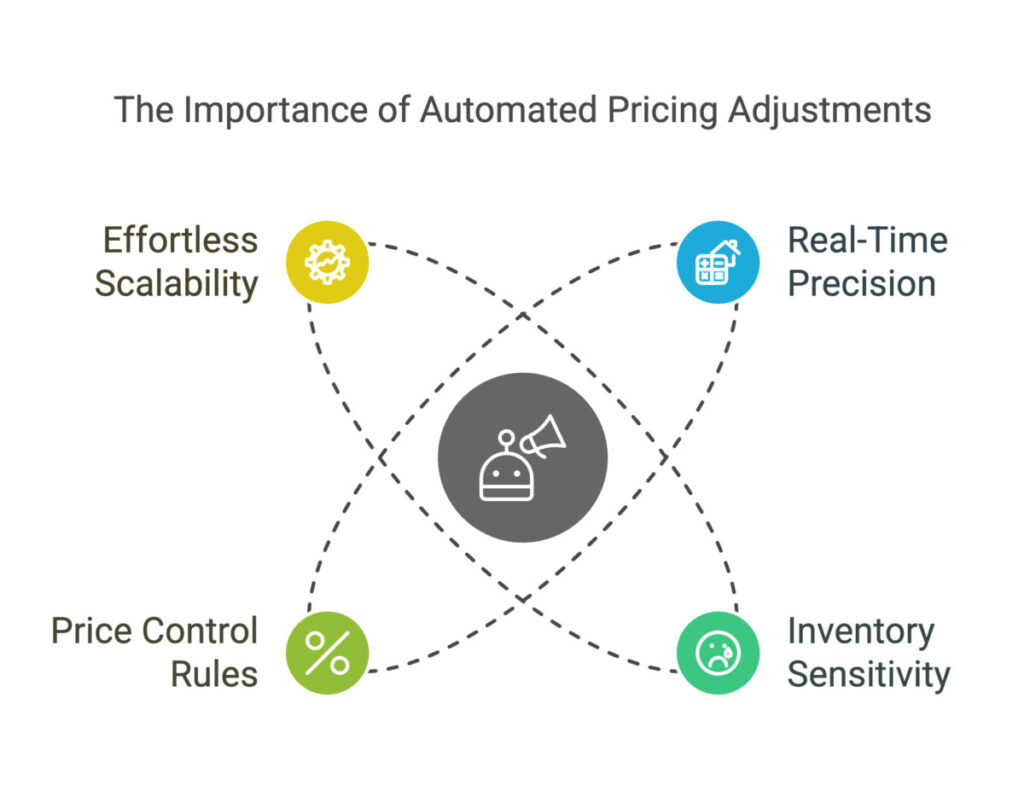
So, sellers often use repricing tools, automated software that adjusts their prices up or down in real-time to stay competitive and win that coveted box.
Some of the popular repricing tools are:
The Psychology of Pricing on Amazon
Amazon doesn’t just rely on tech, it also uses psychology to encourage purchases. Here’s how:
Charm Pricing
We’ve all seen ₹999 instead of ₹1000. That’s not a coincidence. It feels cheaper, even though the difference is minimal.
Anchoring
Amazon often shows the original price slashed out next to the deal price, making the discount feel bigger than it actually is.
Example: ₹1,299 ₹899 – “You saved ₹400!”
Limited-Time Offers
Deals with countdown timers create urgency. The fear of missing out (FOMO) drives impulsive purchases.
Scarcity Cues
“Only 2 left in stock!” This nudges you to buy now before it’s gone, even if that scarcity is part of a pricing strategy.
Timing is Everything
You might not believe it, but when you shop on Amazon can change the price you pay.
Best times to shop:
- Early morning or late night (less competition, slower traffic)
- Mid-week (Tuesdays & Wednesdays), when prices are often adjusted downward
- Just before big sales (Amazon Prime Day, Great Indian Festival, Black Friday)
On the flip side, weekends, paydays, and festive seasons tend to see higher prices due to increased demand.
Amazon Price Fluctuations: How They Help Amazon
To be honest, Amazon’s pricing strategy isn’t just about pleasing customers, it’s also about making as much money as possible and staying ahead of the competition.
Here’s how Amazon wins:
- Increased conversion rates by pricing more attractively
- Higher margins when demand allows for price hikes
- Optimized inventory by pushing out slow-moving stock via discounts
- Loyalty through personalized pricing and tailored offers
Yes, you read that right. Amazon often shows various prices to various people based on their location, browsing history, and order history.
Tools to Track Amazon Price Changes
If you want to be a smart shopper (or seller), several tools can help you monitor Amazon price fluctuations:
For Shoppers:
- CamelCamelCamel – Tracks price history and sends alerts when a product drops to your target price.
- Keepa – Offers charts of historical prices and deal tracking.
- Honey – A browser extension that applies coupons and notifies of price drops.
For Sellers:
- Jungle Scout – Tracks competitor pricing, demand trends, and profit analysis.
- Helium 10 – Offers pricing intelligence and competitor monitoring.
- RepricerExpress – Auto-adjusts your pricing to stay competitive.
Real-World Examples of Amazon Price Fluctuations
Let’s look at how pricing can fluctuate over time:
Smartphone
- Day 1: ₹69,999
- Day 2: ₹67,999 (Competitor lowered price)
- Day 3: ₹69,999 (Demand spike, inventory low)
- Day 5: ₹64,999 (Weekend sale starts)
Headphones
- Normal Price: ₹2,499
- Prime Day: ₹1,899
- Post-sale: ₹2,299
- Diwali Sale: ₹1,999
The same product can have 4–5 price points within a 30-day period.
When Do Amazon Prices Drop?
Statistically, prices drop:
- 30–60 days after product launch
- During major sales (Amazon Prime Day, Black Friday, Diwali)
- As newer models are announced
- End of season for fashion/clothing categories
Is This Fair for Consumers?
It depends.
Some argue that dynamic pricing benefits customers by offering competitive rates and timely discounts. Others believe it creates confusion or encourages impulse buying.
From a consumer perspective:
The good news? Amazon is still one of the best places to shop online because it puts customers first with policies like price matching (rarely), returns, and refund dates.
Final Thoughts: Smart Shopping in a Dynamic Market
Understanding Amazon price fluctuations puts power in your hands.
If you know how and why prices change, you can save money and time when you buy something, like a smartwatch, a kitchen gadget, or the newest best-seller. Watch trends, use tools, and most of all, shop smart.
Amazon changes prices quickly and often, but you can win if you know what to do and when to do it.
Key Takeaways
- Amazon uses dynamic pricing powered by AI to adjust prices constantly.
- Factors include demand, competition, stock, location, and time.
- Tools like CamelCamelCamel and Keepa can help you track and predict prices.
- Repricing tools help sellers win the Buy Box.
- Timing your purchases and understanding pricing psychology can lead to big savings.
Thanks for reading! If this article helped you understand how Amazon price fluctuations work scientifically, please share it with your friends or save it for your next smart shopping trip!